How to Care for a Dog After Surgery: Nutrition, Supplements & Rest
Surgery is demanding on your dog, physically and emotionally. Whether it’s a routine spay/neuter or a major orthopedic procedure, your pet’s body needs time, support, and the right environment to heal.
Post-surgery care isn’t just about giving meds on time. It’s about restoring energy, preventing complications, and rebuilding strength through a proper mix of rest, nutrition, and recovery supplements.
This guide gives you a step-by-step plan to care for your dog after surgery, gently and effectively.
Dogs recovering from surgery need more than rest. This blog outlines a complete post-op care plan, including pain management, digestive support, immune-boosting supplements, soft nutrition, limited mobility, and emotional care, helping pet parents confidently support their dog’s healing journey at home.
The First 24–72 Hours: Critical Recovery Window
This is when your dog is groggy, possibly disoriented, and highly sensitive to pain or touch. It’s also when most complications arise if care is not precise.
Here’s what you must focus on:
- Create a quiet, enclosed recovery space away from kids and other pets.
- Limit movement — use crates, baby gates, or room confinement.
- Check for bleeding or discharge from stitches.
- Offer water but only light meals or broth if your dog is vomiting.
- Give prescribed pain meds and antibiotics exactly as instructed.
- Avoid giving human painkillers — they can be toxic to dogs.
Your dog may sleep more, skip meals, or seem low; this is normal within the first 48 hours unless symptoms worsen.
Nutrition: What to Feed a Dog After Surgery
Healing requires calories — but not heavy food. Your dog’s digestive system is still adjusting post-anesthesia, so focus on easy-to-digest meals.
What to feed:
- Boiled chicken and rice
- Boiled pumpkin or sweet potato mash
- Bone broth or diluted meat stock
- Prescription recovery diets if vet-recommended
Start with small portions. Gradually reintroduce regular meals after 3–4 days.
Digestive Support: Why Enzymes & Probiotics Help
Surgery, stress, and antibiotics can disturb the gut microbiome. That’s why supporting digestion is critical during recovery.
Use supplements that contain:
- Probiotics – to restore good bacteria after antibiotics
- Prebiotics – to feed and sustain gut flora
- Digestive enzymes – to ease the breakdown of food and reduce GI stress
This helps improve appetite, stool quality, and overall comfort, especially if your dog has a sensitive stomach.
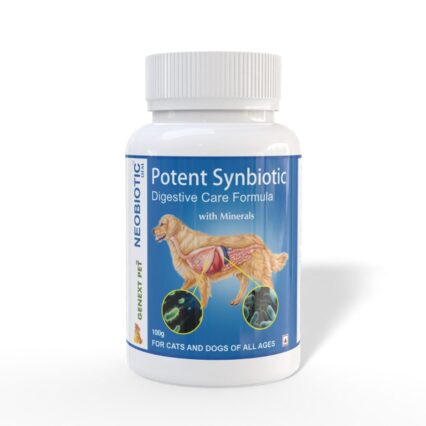
A product like Neobiotic DFM is ideal for post-op recovery, combining probiotics, enzymes, and prebiotics in a gentle daily powder.
Also Read: Top Digestive Issues in Dogs & How to Manage Them
Rest & Movement: How Much Is Too Much?
Rest is essential, but complete inactivity can delay healing too. Follow your vet’s instructions carefully based on the type of surgery.
General guidelines:
- First 3–5 days: Strict rest. Short leash walks only for toilet breaks.
- Week 1–2: Controlled movement indoors. Avoid stairs, jumping, and running.
- Week 2–4: Gradual return to short walks if stitches heal well.
- Post 4 weeks: Begin light play or longer walks with vet clearance.
Don’t let your dog climb furniture, play fetch, or run, even if they seem fine. Internal healing takes longer than external stitches.
Emotional Care: Managing Stress & Frustration
Recovery can make even calm dogs anxious or irritable. They may get bored, clingy, or restless from inactivity.
Tips:
- Sit with them during rest hours — your presence is soothing.
- Offer safe chew toys or treat puzzles for mental stimulation.
- Use calming music or pheromone sprays if they seem anxious.
- Avoid visitors, loud noises, or outings during the first week.
A stable, quiet routine helps recovery more than you’d think.
Preventing Infection & Complications
- Check the incision site twice daily for swelling, redness, or discharge.
- Don’t allow licking or scratching — use an e-collar or soft recovery cone.
- Keep stitches dry — no bathing for at least 10–14 days.
- Call your vet if you notice:
- Fever
- Vomiting after day 2
- Bleeding or foul-smelling discharge
- Sudden lethargy or refusal to eat
Supplements That Support Healing (Safely)
Along with gut support, consider adding immune and recovery-focused supplements (only with vet guidance):
- Nucleotides – help in cell repair and immune rebuilding
- Zinc + Vitamin C – supports skin healing and tissue repair.
- Omega-3s – reduce post-op inflammation
- L-Glutamine or Choline – support gut and liver recovery.
Only use pet-safe, vet-formulated supplements — avoid giving human multivitamins without consultation.
Final Thought: Healing Starts at Home
Your vet performs the surgery, but you handle the recovery. With patience, smart nutrition, gut support, and gentle care, you can help your dog bounce back stronger.
Want more post-surgery tips, gut health support, and wellness guides?
Explore the GenextPet Blog for trusted, pet-parent-friendly advice.
faqs
What is the best food for dogs after surgery?
Boiled chicken, rice, pumpkin, and broth are ideal in small quantities. Gradually return to a regular diet after 3–4 days.
How long should a dog rest after surgery?
Usually, 10 to 14 days of restricted movement. Avoid stairs, running, and jumping until your vet clears activity.
Is it okay if my dog isn’t eating after surgery?
Appetite loss is common for 1–2 days. Use broth or easy meals. If refusal continues beyond 48 hours, contact your vet.
Do dogs need probiotics after surgery?
Yes. Probiotics help restore gut balance after antibiotics or anesthesia. Products like Neobiotic DFM are helpful.
Can I walk my dog after surgery?
Short, slow leash walks only for toilet breaks, no walks for exercise until the vet clears.
About Author
Dr. Kevin Modi
Dr. Kevin Modi is a trusted voice in the Indian pet care space, with years of hands-on experience in pet wellness, gut health, and natural supplements. At GenextPet, he guides product formulation and ensures content accuracy, drawing from real-world insights and the latest research. His goal? To simplify pet health for every dog and cat parent.