
Quick answer
Some hair fall is normal: dogs replace their coat all the time, and double-coated breeds like Huskies, German Shepherds and Labradors shed heavily twice a year. It becomes a problem when you see bald patches, itching, red or flaky skin, a smell, or hair loss on both sides of the body. The common causes in India are ticks, fleas and mites, skin infections, allergies, a low-protein or home-cooked diet, and hormone problems. Regular brushing, parasite control and a complete diet fix most normal cases; patches and itching need a vet.
Hair on the sofa, the bed and the floor is one of the most common complaints Indian dog owners have, especially when the weather changes. This guide explains what is normal, what is not, the usual causes, and what you can do at home.
Normal Shedding vs a Hair-Loss Problem
| Usually normal | Needs a vet check |
|---|---|
| Even shedding all over, coat still full | Bald patches or thinning in one area |
| Heavy shedding for a few weeks as seasons change | Hair loss on both sides of the body in the same pattern |
| No itching, skin looks normal | Scratching, licking, red, flaky, greasy or smelly skin |
| Shedding after a bath or brushing | Scabs, pimples, crusts or broken hairs |
| A nursing mother losing coat after the litter | Hair loss with weight change, thirst or tiredness |
The Merck Veterinary Manual notes that shedding is usually natural coat replacement and becomes a concern when it leaves bald spots or symmetric hair loss (Merck Veterinary Manual: Hair Loss in Dogs).
Common Causes of Hair Fall in Dogs
- Parasites: ticks, fleas and mange mites are very common in India and cause itching and hair loss.
- Skin infections: bacterial or fungal (including yeast), often after the skin stays damp in monsoon.
- Allergies: to fleas, food or the environment; itching leads to licking and hair loss.
- Diet: low protein, or a home-cooked diet short of zinc, fatty acids and vitamins.
- Hormones: an underactive thyroid slows hair growth; other hormone problems cause even, non-itchy hair loss.
- Temporary causes: pregnancy, nursing, or a few weeks after a serious illness or fever.
- Friction: a tight collar or harness.
Source for the causes: Merck Veterinary Manual.
What Helps at Home
- Brush regularly: daily for double coats during shedding season, two to three times a week for short coats. Brushing removes dead hair before it lands on your floor.
- Parasite control all year, as your vet advises. Check for ticks after every walk.
- Bathe less, not more: once every 3 to 4 weeks with a dog shampoo is enough for most dogs. Human shampoo and frequent baths dry the skin.
- Dry thoroughly after baths and rain, especially between toes, in skin folds and under the collar.
- A complete diet with good-quality protein. Hair is mostly protein.
- Do not shave double-coated breeds for summer; the coat protects against heat and sun.
Diet and Hair Fall
Dogs on a complete commercial food rarely shed because of diet alone. Dogs on rice-and-dal or rice-and-chicken diets often do: home recipes are commonly short of nutrients such as zinc, vitamin E and essential fatty acids (UC Davis, 2013).
| Nutrient | Role in the coat | Food sources |
|---|---|---|
| Protein | Hair is built from protein | Eggs, chicken, fish, paneer |
| Omega-3 and omega-6 fats | Skin barrier and shine | Fish, eggs, vegetable oils in small amounts |
| Biotin and B vitamins | Skin and hair growth | Eggs (cooked), liver in small amounts |
| Zinc | Skin repair | Meat, eggs |
| Vitamin A and E | Skin health | Liver, eggs, vegetable oils |
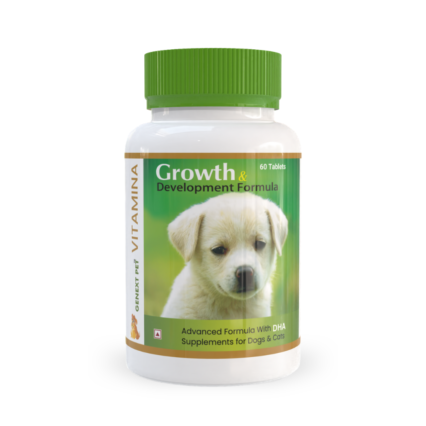
For dogs on home-cooked food, a multivitamin such as Vitamina adds biotin (150 mcg per tablet), vitamin A and other vitamins and minerals. It supports a complete diet; it does not treat mites, infections or allergies. Read our guide to multivitamins for dogs.
Breeds That Shed the Most
Labrador, Golden Retriever, German Shepherd, Siberian Husky, Beagle and Pug shed a lot even when perfectly healthy. Indian breeds such as the Indian pariah dog have short coats and shed less. See our guide to the best dogs for Indian families.
Final Word
Even shedding with healthy skin is normal and is managed with brushing and a good diet. Patches, itching, sores or a smell mean something else is going on; a vet can find the cause with simple skin tests, and treatment works best when it is started early.
Frequently Asked Questions
Why is my dog losing so much hair?
Heavy even shedding is often seasonal, especially in double-coated breeds. Patchy loss, itching or red skin usually means parasites, infection or allergy and needs a vet check.
What is the best home remedy for dog hair fall?
Regular brushing, fewer baths with a dog shampoo, year-round tick and flea control and a complete diet with good protein. Avoid applying oils or home pastes to broken skin.
Can diet cause hair fall in dogs?
Yes. Low-protein and unbalanced home-cooked diets can cause a dull, thin coat. A complete diet, or a vet-approved multivitamin for home-fed dogs, helps.
Does coconut oil help dog hair fall?
A little rubbed into dry coat is harmless for most dogs, but it does not treat the causes of hair loss, and dogs often lick it off. Do not use it on infected skin.
When should I worry about my dog’s hair loss?
When you see bald patches, sores, scabs, a smell, constant scratching, or hair loss together with weight change, thirst or tiredness.
How often should I bathe my dog in India?
Most dogs need a bath every 3 to 4 weeks with a dog shampoo. Dry the coat fully, especially in monsoon.
Sources
About Author
Dr. Kevin Modi
Dr. Kevin Modi is a trusted voice in the Indian pet care space, with years of hands-on experience in pet wellness, gut health, and natural supplements. At GenextPet, he guides product formulation and ensures content accuracy, drawing from real-world insights and the latest research. His goal? To simplify pet health for every dog and cat parent.