Quick answer
A healthy cat eating a complete commercial cat food usually does not need supplements. Cats on home-cooked food (rice, fish, chicken, milk) often do, because home recipes for cats almost always miss several nutrients. The useful supplements for most Indian cat homes are a multivitamin with taurine for home-fed cats, a probiotic for tummy upsets, a milk replacer for orphaned kittens and joint support for older cats. Only give products that have a cat dose on the label.
Cats are not small dogs. They need certain nutrients that dogs can make for themselves, they react badly to some common foods, and their doses are much smaller. This guide walks through which supplements can actually help a cat, which cats need them and how to give them without a fight.
Does My Cat Need Supplements?
| What your cat eats | Needs supplements? | Why |
|---|---|---|
| Complete commercial cat food (dry or wet labelled “complete”) | Usually no | The food is already balanced, including taurine. |
| Mostly home food (rice, fish, chicken, milk, curd) | Often yes | Home recipes for cats almost always miss several nutrients. |
| Kitten without enough mother’s milk | Yes | Needs a kitten milk replacer, not cow’s milk. |
| Senior cat, stiff or less active | Sometimes | Joint support can help; a vet check comes first. |
| Stress, travel, boarding or antibiotics | Short term | A probiotic can help keep stools normal. |
Why Cats Are Different
- Taurine must come from food. Cats cannot make enough taurine themselves, so it has to be in their diet. Cow’s milk carries far less taurine than a mother cat’s milk (VCA Hospitals).
- Small bodies, small doses. A 4 kg cat needs a fraction of a dog’s dose. Always follow a cat dose, never guess from a dog dose.
- Some foods are dangerous. Onion and garlic, common in Indian cooking, are harmful to cats. Never share food cooked with them.
- Never human medicines. Common human painkillers such as paracetamol are poisonous to cats.
Home-Cooked Diets for Cats Fall Short
When nutrition vets at the University of California, Davis analysed home-made cat food recipes, none of the 94 they could assess met all of a cat’s essential nutrient needs. Most were short of three or more nutrients, and several gave less than half the recommended amount of choline, iron, zinc, thiamin, vitamin E and manganese. About 7% even included harmful ingredients such as garlic and onion (UC Davis, JAVMA 2019).
A typical Indian home meal for a cat, fish and rice or chicken and rice with some milk, follows the same pattern. It fills the cat up but misses vitamins, trace minerals and often enough taurine.
Supplements That Can Help Cats, by Need
| Need | What helps | GenextPet option | Cat dose (label) |
|---|---|---|---|
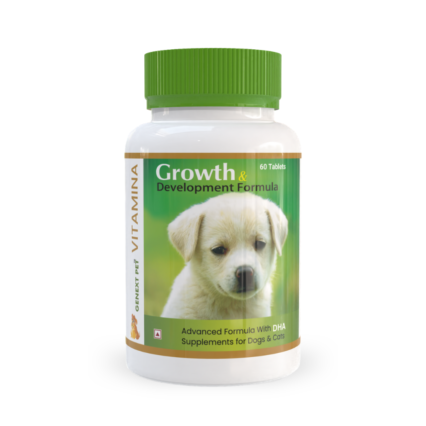
| Home-cooked or mixed diet | Multivitamin with taurine | Vitamina | Up to 5 kg: ½ tablet a day; over 5 kg: 1 tablet |
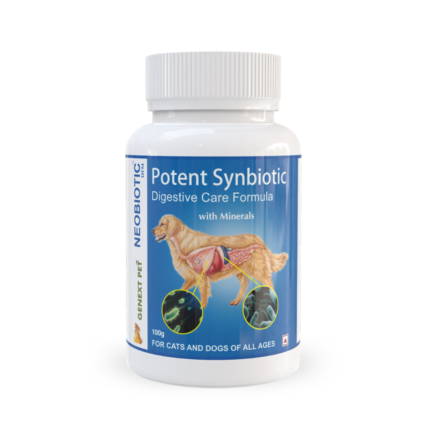
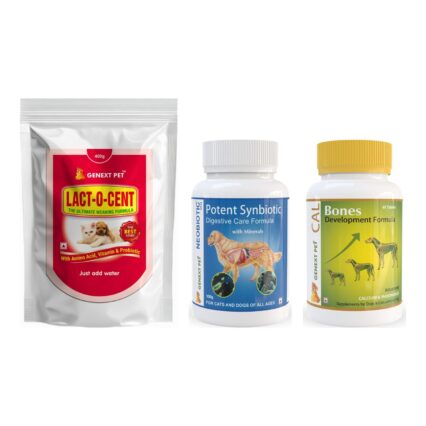
| Loose stool from stress, food change or antibiotics | Probiotic + prebiotic | Neobiotic DFM | 1 to 2 g, twice a day |
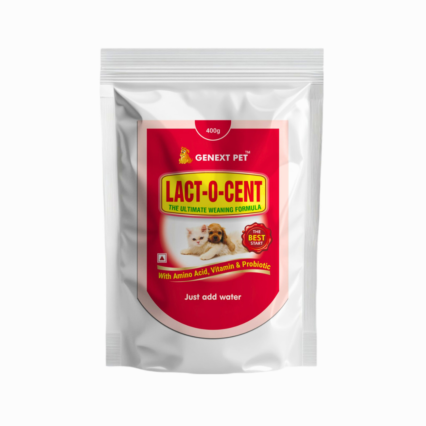
| Orphaned or under-fed kittens | Kitten milk replacer | Lact-O-Cent | By weight; see the kitten feeding guide |
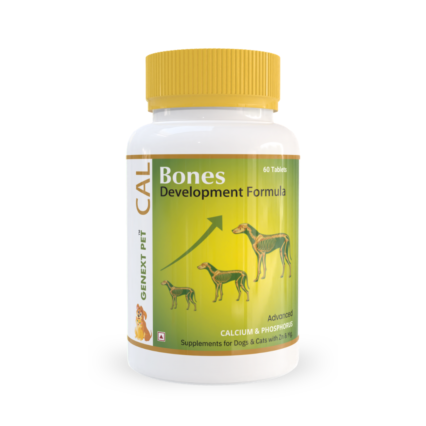
| Home-fed kitten or cat on an all-meat or fish diet | Calcium, only if the diet is short | CAL | Kitten on home food: ½ tablet twice a day; adult: ½ tablet a day |
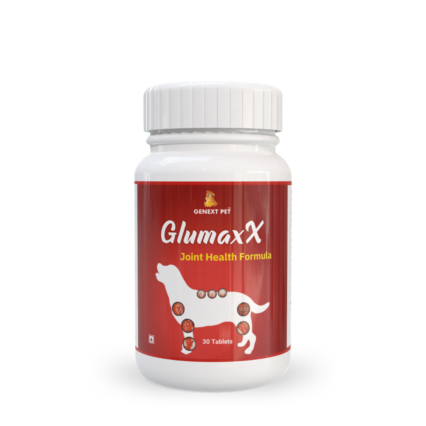
| Older cat, stiff joints | Joint support | Glumaxx | Up to 5 kg: ¼ tablet; over 5 kg: ½ tablet |
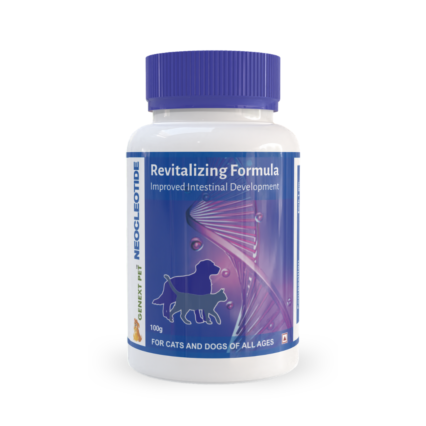
| Recovery, vaccinations, boarding stress | Nucleotides + probiotics | Neocleotide | 2 to 4 g a day |
Read our detailed guides on probiotics for cats and supplements for senior cats. Not sure where to start? The Supplement Finder takes 30 seconds.
Calcium for Cats: Only When the Diet Needs It
Meat and fish are naturally low in calcium, so a cat living on plain chicken or fish with rice can run short, which matters most for growing kittens. A complete cat food already has the right amount, and adding more calcium on top can upset the balance with phosphorus. Use calcium only for home-fed cats and kittens, at the cat dose, and ask your vet if your cat has kidney problems or a history of bladder stones.
How to Give Supplements to a Cat
- Powders: mix into a teaspoon of wet food first so the full dose is eaten, then give the rest of the meal.
- Tablets: crush and mix into wet food, or hide in a small piece of plain cooked chicken.
- Food should be warm, not hot, for products with live probiotics.
- Start with a smaller amount over 3 to 4 days if your cat is fussy or has a sensitive stomach.
- Add one new supplement at a time, so you can tell what suits your cat.
Safety Checklist
- Only give products with a cat dose on the label. A dog-only product may not be safe for cats.
- Do not stack products that contain the same nutrient (for example a multivitamin and extra calcium) without checking totals with your vet.
- Cats fed a lot of liver already get plenty of vitamin A; avoid extra vitamin A on top.
- See a vet rather than supplementing if your cat stops eating, vomits repeatedly, has blood in its stool, loses weight or strains in the litter box.
Final Word
Supplements are most useful for cats whose food is not complete, which is the case for most home-cooked diets, and for specific moments: weaning, stress, antibiotics and old age. Choose products with a cat dose on the label, add one at a time, and let your vet guide anything long term.
Frequently Asked Questions
Do cats need supplements?
Healthy cats on a complete commercial cat food usually do not. Cats on home-cooked food often do, because home recipes for cats almost always miss several nutrients, including taurine.
Can I give my cat a dog supplement?
Only if the label gives a cat dose. Products made for dogs and cats, such as the GenextPet range, list a separate cat dose. A dog-only product may contain amounts or ingredients that are not suitable for cats.
Is fish and rice enough for my cat?
No. A fish-and-rice diet fills a cat up but misses several vitamins and minerals and often enough taurine. Add a complete cat food or a vet-approved multivitamin.
Should I give my cat calcium?
Only if your cat eats mostly home-cooked meat or fish, which is low in calcium. Cats on a complete cat food do not need extra calcium. Ask your vet first if your cat has kidney or bladder problems.
What supplements help older cats?
Joint support for stiffness and a multivitamin if the diet is home-cooked are the most common. Older cats should have a vet check at least once a year before starting long-term supplements.
Can kittens take supplements?
Kittens without enough mother’s milk need a kitten milk replacer. Home-fed kittens may need calcium and a multivitamin at the kitten dose; kittens on a complete kitten food usually need nothing extra.
Sources
About Author
Dr. Kevin Modi
Dr. Kevin Modi is a trusted voice in the Indian pet care space, with years of hands-on experience in pet wellness, gut health, and natural supplements. At GenextPet, he guides product formulation and ensures content accuracy, drawing from real-world insights and the latest research. His goal? To simplify pet health for every dog and cat parent.